7 Min Read
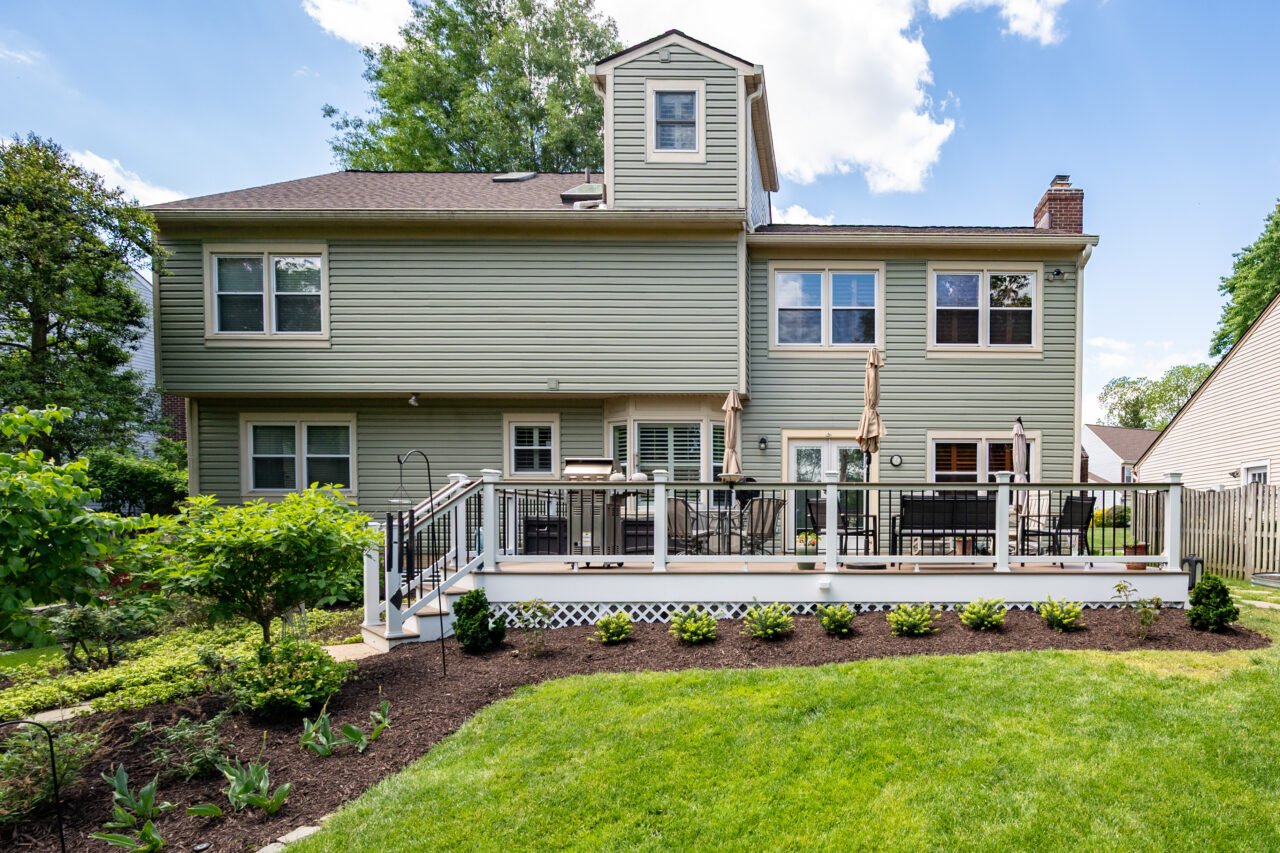
Planning a remodel is exciting, but before construction begins, it's important to understand how permits fit into the process. Whether you're updating a bathroom, remodeling a kitchen, finishing a basement, building a sunroom, or remodeling your whole house, permits help ensure your project is safe, code-compliant, and protected for the future.
At Anchor Remodel, we believe a successful remodeling project starts long before demolition day. By helping homeowners throughout Northern Virginia navigate permits, planning, and inspections from the beginning, we create a smoother experience and help protect one of your most valuable investments, your home.
Table of Contents
Why Are Permits Important in Northern Virginia?
Future-Proofing Your Investment
Which Remodeling Projects Require Permits in Northern Virginia?
Types of Remodeling Permits in Northern Virginia
The Remodeling Permit Application Process
How Long Does Permit Approval Take?
How Much Do Remodeling Permits Cost?
What Can Homeowners Do Without a Permit in Virginia?
What Is the 30% Rule in Remodeling?
What Happens if I Remodel Without a Permit?
Ready to Start Your Remodeling Project?
Why Are Permits Important in NOrthern Virignia?
Why do you need a remodeling permit? Many homeowners view permits as just another box to check before construction starts. In reality, permits play a critical role in protecting your home, your investment, and everyone who lives there.
Legal Compliance
Building permits in places like Fairfax County help ensure your remodeling project complies with local and state regulations. Whether you're removing a wall, relocating plumbing, or updating electrical systems, permits verify that the work meets current building codes.
At Anchor Remodel, we help you understand permit requirements before construction begins, reducing the risk of delays, fines, or unexpected complications later in the project.
Property Value
Remodels completed with proper permits often help preserve and protect your home's value. Buyers and home inspectors appreciate knowing renovations were completed legally and professionally.
When remodeling work is properly documented and inspected, it can make future home sales smoother and help protect your investment for years to come.
Safety
Permits for structural remodels require inspections throughout the construction process. These inspections help verify that electrical, plumbing, HVAC, and structural work is completed safely and according to code.
Future-Proofing Your Investment
A remodel is a significant investment. Obtaining the proper permits creates a documented record of the work performed and provides peace of mind for both current and future homeowners.
We often remind clients that remodeling isn't just about today's project—it's about protecting your home's value and functionality for years to come.
Which Remodeling Projects Require Permits in Northern Virginia?
Not every home improvement project requires a permit, but many remodeling projects do. In most cases, permit requirements depend on the type of work being performed rather than the room itself.
Whether you're remodeling a kitchen in McLean, updating a bathroom in Alexandria, or planning a home addition in Vienna, it's important to understand what's required before construction begins. Here are a few of the projects that require remodeling permits.
Kitchen Remodels
A simple cosmetic kitchen refresh may not require permits. However, if your project involves modifying plumbing, electrical, gas, or ventilation systems, permits are often required.
Common examples include:
- Moving sinks or appliances
- Installing new electrical circuits
- Upgrading service panels
- Relocating gas lines
- Installing new range hood ventilation
Because kitchens involve multiple trades, Anchor Remodel helps you identify permit requirements early in the planning process to avoid surprises once construction begins.
Bathroom Remodels
One of the most common questions homeowners ask is: "Do you need a permit to remodel a bathroom in Virginia?"
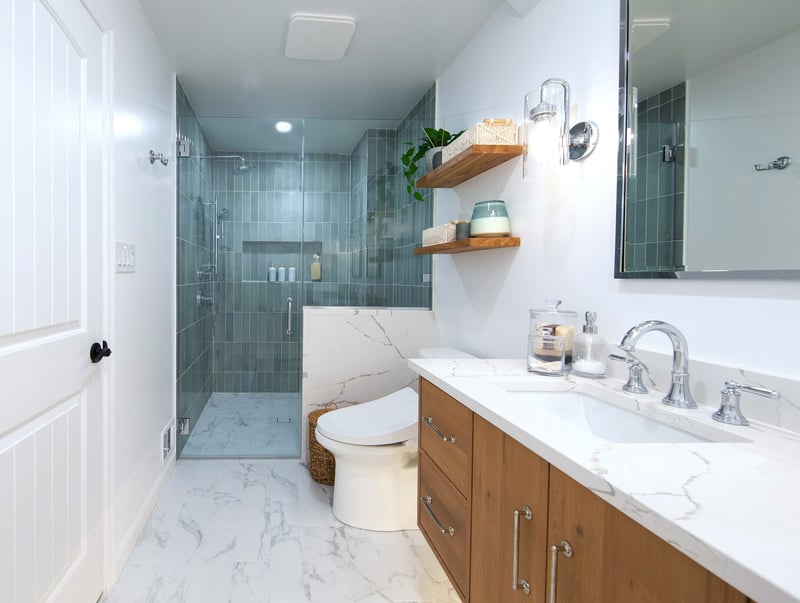
The answer depends on the scope of work. Replacing finishes or fixtures in the same location may not require permits. However, moving plumbing lines, adding electrical outlets, installing new showers, or modifying ventilation systems typically does.
Our team helps homeowners understand what requires approval and manages the process from start to finish.
Basement Finishing
Basement finishing projects frequently require permits because they often include framing, electrical work, plumbing, HVAC modifications, and life-safety requirements.
Whether you're creating a home office, guest suite, or entertainment space, proper permitting helps ensure the finished area is safe and compliant.
Home Additions
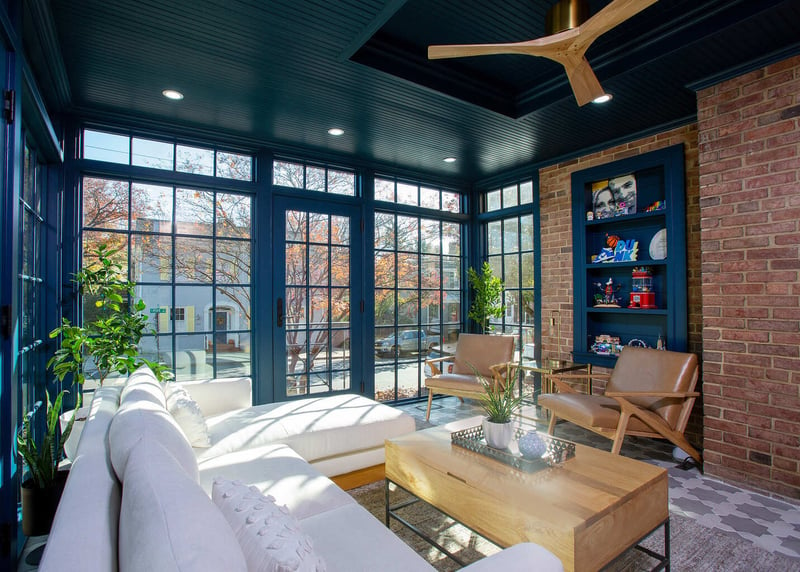
Adding square footage to your home almost always requires permits. Whether you're building a sunroom, expanding your kitchen, or creating additional living space, a residential addition permit will likely be required.
Home additions are a significant investment, and careful planning upfront can help avoid delays later in the process.
Structural Changes
Removing walls or modifying structural components of your home requires careful review and typically involves building permits and inspections.
Before making structural changes, it's important to work with professionals who understand both the design and permitting requirements involved.
Types of Remodeling Permits in Northern Virginia
Depending on the scope of your project, you may need multiple permits to ensure the work is completed safely and according to local building codes.
Common permit types include:
- Building Permit: Required for structural modifications such as room additions, wall removals, basement finishing, attic conversions, and major layout changes.
- Electrical Permit: Typically required for new wiring, additional outlets, lighting installations, and electrical panel upgrades.
- Plumbing Permit: May be needed when relocating sinks, adding bathrooms, installing new plumbing lines, or moving fixtures.
- Mechanical (HVAC) Permit: Applies to heating, cooling, and ventilation work, including HVAC replacements, ductwork modifications, ventilation upgrades, and exhaust systems.
- Demolition Permit: Often required when removing significant portions of a structure or making major structural changes.
- Zoning Permit: Commonly required for home additions or projects that affect a property's footprint, setbacks, or land use requirements.
- Fire Department Permit: May be necessary for projects involving fire suppression systems, alarms, or other life-safety requirements.
- Specialty Permits: Certain projects may require additional approvals for features such as solar panels, swimming pools, elevators, or hot tubs.
The specific permits required will depend on the scope of your remodel and your local jurisdiction. For example, a simple bathroom refresh may require minimal permitting, while a whole-home remodel or addition could require building, electrical, plumbing, mechanical, and zoning approvals. At Anchor Remodel, we help homeowners identify permit requirements early in the planning process, helping avoid delays and ensuring projects move forward with confidence.
The Remodeling Permit Application process
While permit requirements vary by jurisdiction, the overall process is similar throughout Northern Virginia. Working with an experienced remodeling contractor can help ensure everything is submitted correctly and keep your project moving forward smoothly.
The permit process typically includes:
- Local requirements: Every municipality has its own permitting procedures and requirements.
- Project documents: Most applications require existing plans, proposed plans, scope of work descriptions, and supporting construction details.
- Application: Applications are typically submitted through the local building department or online permitting system.
- Plan review: Submitted plans are reviewed for compliance with building and zoning codes.
- Inspections: Inspections are completed at key construction milestones to verify the work meets code.
- Final approval: Once inspections are complete, the permit can be finalized and closed out.
A contractor who understands local permitting requirements can help prevent avoidable delays by preparing complete documentation upfront, communicating with the appropriate jurisdiction, and coordinating inspections at the right stages of construction. At Anchor Remodel, this is part of how we protect your investment and create a smoother remodeling experience from planning through completion.
How Long Does Permit Approval Take?
Permit approval timelines vary depending on the size and complexity of the project. Bathroom remodel permits can often be approved within 4–5 business days when all required documentation is submitted correctly, while kitchen remodels typically take one to two weeks due to the additional electrical, plumbing, and mechanical considerations that may be involved. Larger projects, such as whole-home remodels and additions, often require more extensive plan reviews and may take several weeks to receive approval.
Working with an experienced remodeling contractor can help streamline the process by ensuring applications are complete and submitted correctly from the start. Permits are an essential part of your remodeling timeline and can't be skipped.
What Causes Permit Delays?
One of the most common reasons permits are delayed is incomplete documentation. Missing information can create back-and-forth communication with reviewers and extend approval timelines.
Because permit approval affects scheduling, Anchor Remodel works to prepare complete documentation upfront and proactively address questions before they become delays.
How Much Do Remodeling Permits Cost?
One of the most common questions homeowners ask when planning a renovation is how much permits will cost.
Permit costs vary based on the scope of work, project value, and the permits required. For larger kitchen remodels, bathroom renovations, basement finishing projects, and home additions, permit fees can range from several hundred dollars to more than $1,500.
While permit costs are an important consideration, they're a relatively small investment compared to the protection they provide for your home and renovation.
Who Pulls the Permit?
In most cases, your remodeling contractor should pull the permits on your behalf.
Licensed contractors understand local building codes, permit requirements, and inspection procedures. They also assume responsibility for helping ensure the work complies with applicable regulations.
At Anchor Remodel, we handle permit coordination as part of our process, allowing you to focus on the exciting parts of their renovation rather than paperwork and inspections.
What Can Homeowners Do Without a Permit in Virginia?
Not every home improvement project requires a permit. Many cosmetic upgrades can be completed without obtaining permits, provided no structural, plumbing, electrical, or mechanical systems are being modified.
Projects that often do not require permits include:
- Interior painting
- Flooring replacement
- Cabinet replacement in the same location
- Trim and molding installation
- Countertop replacement
- Cosmetic updates and finishes
However, once a project involves moving plumbing fixtures, adding electrical circuits, modifying HVAC systems, or making structural changes, permits are typically required.
When in doubt, it's always best to consult with a licensed remodeling contractor before beginning work.
Frequently Asked Questions About Remodeling Permits
Understanding permit requirements can feel overwhelming, particularly if this is your first major renovation. To help you feel more confident moving forward, we've answered some of the most common questions we hear from homeowners throughout Northern Virginia.
What Is the 30% Rule in Remodeling?
The "30% rule" is not a Virginia building code requirement. Homeowners should discuss project-specific regulations with their contractor.
Are Inspections Required?
Yes. Most permitted remodeling projects require inspections throughout construction as well as a final inspection before permit closeout.
What Happens if you Remodel Without a Permit?
Unpermitted work can create complications during future home sales, refinancing, insurance claims, and inspections. In some cases, homeowners may be required to obtain retroactive permits or make costly corrections.
Ready to Start Your Remodeling Project?
Permits may not be the most exciting part of a renovation, but they're one of the most important. From kitchen remodels and bathroom renovations to basement finishing and home additions, obtaining the proper permits helps protect your investment and ensures your project is completed safely and legally.
Working With Anchor Remodel
At Anchor Remodel, we understand that remodeling is about more than construction—it's about creating a space you'll enjoy for years to come. That's why we guide homeowners through every stage of the process, from planning and permitting to construction and final inspections. Our goal is simple: deliver an exceptional remodeling experience while protecting your investment every step of the way. Take a look at our process, portfolio, and cost guide to see more about what it's like to work with us.
If you're planning a remodeling project in Northern Virginia, contact Anchor Remodel today to start the conversation.
Contact Us
Contact us today to schedule a consultation or to learn more.